Cupping Therapy: The Top 7 Reasons Athletes Use This Ancient Treatment.
Cupping therapy is an ancient recovery technique that creates negative pressure on the skin to decompress underlying muscles and connective tissue. While the practice dates back thousands of years to Traditional Chinese Medicine (TCM), it exploded into the modern public consciousness during the 2016 Rio Olympics. Viewers worldwide were captivated—and confused—by the distinct purple circles covering the back of swimming legend Michael Phelps as he claimed his 19th gold medal.
For the uninitiated, the marks looked painful, almost like bruises from a battle. But to Phelps and a growing roster of elite athletes, those marks were a badge of honor and a sign of active recovery. Unlike deep tissue massage, which compresses the muscles, cupping uses suction to lift tissues. According to the National Center for Complementary and Integrative Health (NCCIH), this suction is believed to increase blood flow, facilitate healing, and help manage pain.
Why are top-tier athletes obsessed with these purple marks? It isn’t just about aesthetics or intimidation. From the locker rooms of the NBA to the Olympic Village, pros are using this modality to maintain peak physical condition. Here are the 7 top reasons they rely on cupping to stay in the game.
What is Cupping Therapy? (Brief Overview)
First let’s get a little background. At its core, cupping therapy is defined by a unique physical mechanism: negative pressure. While traditional massage works by applying positive pressure (pushing down) to compress muscles and move fluids, cupping works by creating suction that pulls the skin, muscle, and fascia upward. This “lifting” effect increases the space within the tissues, which practitioners believe helps to separate fused tissue layers and allow for better fluid movement.
There are several variations of the practice, but the three most common forms athletes encounter include:
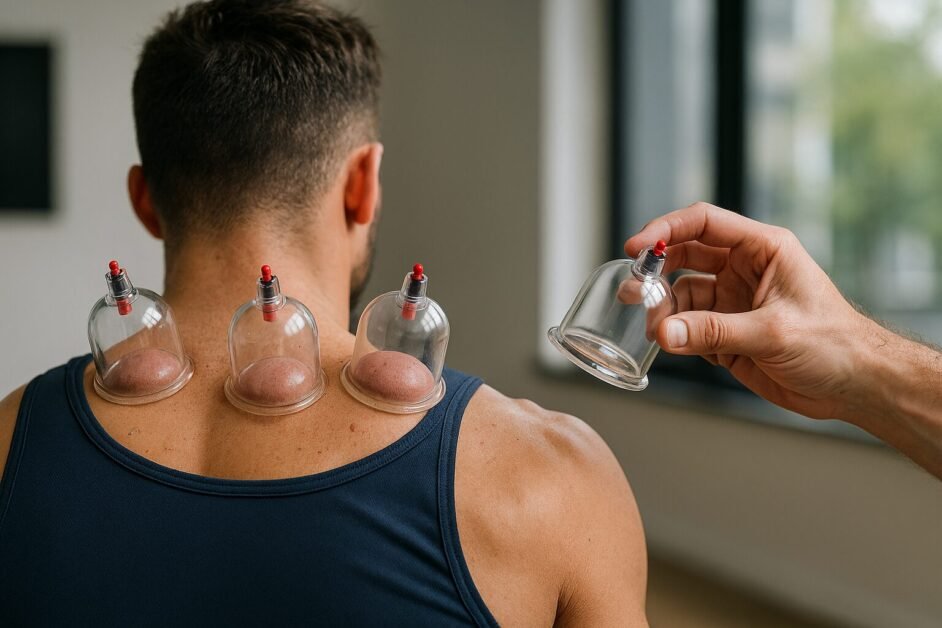
Dry Cupping: The most standard form used in sports medicine today. A plastic or silicone cup is placed on the skin, and a manual pump sucks the air out to create a vacuum. This method allows for precise control over the amount of suction used.
Fire Cupping: The traditional method often seen in acupuncture clinics. A practitioner briefly inserts a flame into a glass cup to heat the air, then quickly places the cup on the skin. As the air cools, it contracts, creating the suction naturally.
Wet Cupping (Hijama): Less common in western sports locker rooms but popular globally, this involves making tiny incisions on the skin before applying the cup to draw out small amounts of blood, theorized to remove toxins from the body.
For a deeper dive into these techniques, the Cleveland Clinic and Healthline offer excellent medical overviews of the procedure and what to expect during a session.
The 7 Top Reasons Athletes Use Cupping Therapy
Athletes don’t just endure the strange sensation of suction cups for the fun of it; they do it because they feel tangible results. While clinical research is still evolving, the physiological mechanisms proposed by sports medicine experts align with the high demands of elite performance.
1. Accelerated Recovery Time
Recovery is the limiting factor in high-level training. The faster an athlete recovers, the harder they can train the next day. Cupping is frequently used immediately post-competition or after heavy hypertrophy training to flush out metabolic waste products. During intense exercise, micro-tears occur in the muscle fibers, and byproducts like lactate and creatine kinase accumulate. The suction from cupping is believed to help clear these chemical byproducts from the muscle belly, theoretically shortening the downtime required between workouts. A study reviewed in the Journal of Alternative and Complementary Medicine suggests that cupping may significantly improve physiological recovery parameters.
2. Immediate Pain Relief
For athletes looking to avoid reliance on NSAIDs (like ibuprofen) or stronger painkillers, cupping offers a drug-free alternative. The mechanism here is often explained through the “Gate Control Theory” of pain. The suction stimulates the cutaneous sensory nerves (mechanoreceptors) in the skin. This non-painful input travels to the spinal cord and can effectively “close the gate” on pain signals traveling to the brain. This is why many athletes with chronic lower back pain, plantar fasciitis, or hamstring strains report almost instant relief once the cups are applied. Research available through PubMed supports the efficacy of cupping in treating chronic back pain specifically.
3. Increased Blood Circulation
This is perhaps the most visual benefit of the therapy. When the cups are applied, the vacuum effect causes vasodilation (widening of the blood vessels). You can literally see the blood rising to the surface, turning the skin red or purple. This rush of fresh, oxygenated blood delivers vital nutrients and white blood cells to the area, which are essential for repairing damaged tissue. Conversely, it helps drain stagnant blood and fluids that may be lingering in a tight or injured muscle.
4. Myofascial Release (Breaking Up Knots)
Fascia is the connective tissue that wraps around every muscle, bone, and organ like a tight wetsuit. Overuse or injury can cause this fascia to become sticky and adhered to the muscle, creating painful “knots” or trigger points. While foam rollers compress these knots to smooth them out, cupping pulls the fascia away from the muscle. This separation allows fresh fluid to lubricate the space between the tissue layers, restoring the “slide and glide” necessary for smooth movement. Many physical therapists use “dynamic cupping”—sliding the cups along the muscle fibers—to actively strip away these adhesions.
5. Reduction of Inflammation
It may seem counterintuitive to create suction marks to treat inflammation, but the localized effect can be beneficial for systemic recovery. By drawing blood and fluid to the surface of the skin (a process sometimes called “revulsive” therapy), cupping is thought to draw inflammation away from deep joints or injured tissues where it might be causing pain or limiting mobility. This helps reset the local inflammatory cycle, potentially speeding up the resolution of acute injuries.
6. Improved Range of Motion & Flexibility
Stiff joints and tight hamstrings are the enemies of speed and power. By stretching the skin and underlying fascia, cupping acts as a passive stretch for tissues that are difficult to reach with standard stretching exercises. A study in the Journal of Sport Rehabilitation found that a single session of cupping on the hamstrings significantly increased flexibility and range of motion without the decrease in force production often associated with static stretching.
7. Relaxation and Stress Reduction
The life of an athlete is high-stress, driven by sympathetic nervous system activity (the “Fight or Flight” response). Cupping—specifically the heavy, dragging sensation of the cups—has a sedating effect on the nervous system. It encourages a shift toward the Parasympathetic Nervous System (the “Rest and Digest” state). This lowers cortisol levels and promotes deep relaxation, which is critical for sleep quality. As noted by WebMD, many patients report feelings of deep relaxation during and after the session, similar to a deep tissue massage.
Addressing the “Badge of Honor” of Cupping Therapy (The Marks)
If you walk into a CrossFit gym or a swimming complex, you might see athletes sporting circular purple welts that look like painful bruises. In the community, these are often worn as a “badge of honor”—proof of recovery work done. But for the uninitiated, they can be alarming.
It is crucial to understand that cupping therapy marks are not bruises in the traditional sense.
A bruise (contusion) is caused by impact trauma that compresses tissue and ruptures blood vessels, often injuring the muscle fibers. Cupping marks, medically referred to as ecchymosis or petechiae, are caused by suction drawing stagnant blood and fluids from deep within the tissues to the surface. According to the Cleveland Clinic, while these marks mimic bruises, they do not involve the same type of muscle injury and typically are not painful to the touch.
In Traditional Chinese Medicine (TCM), the color of the mark provides feedback about the condition of the muscle underneath. As detailed by the Boulder Sports Clinic, different shades indicate different issues:
Light Pink/Red: Usually indicates healthy blood circulation or mild stagnation.
Bright Red: Often signals active inflammation or recent muscle strain (heat).
Dark Purple/Black: Suggests severe stagnation, restricted circulation, or a chronic condition that has been present for a long time.
These cupping therapy marks typically fade within 3 to 10 days as the lymphatic system drains the old blood cells away. As an athlete continues regular treatments, the marks often become lighter, signaling that the stagnation has cleared and blood flow has improved.
Safety and Contraindications
While cupping therapy is generally considered safe for healthy athletes when performed by a trained professional, it is not risk-free. Because the treatment involves manipulating the circulatory system and skin, certain individuals should proceed with caution or avoid it entirely.
According to the National Center for Complementary and Integrative Health (NCCIH), common side effects are mild and include the characteristic discoloration, soreness, or skin irritation around the rim of the cup. However, they also warn that more serious issues, such as burns (specifically from fire cupping) or skin infections, can occur if equipment is not sterilized or if the practitioner is inexperienced.
Who Should Avoid Cupping?
Medical experts, including those at the Cleveland Clinic, generally advise against cupping for individuals with specific conditions:
Bleeding Disorders: Athletes with hemophilia, anemia, or those taking blood-thinning medication (anticoagulants) should avoid cupping, as the strong suction can cause excessive bleeding or severe bruising.
Skin Conditions: Cups should never be placed on open wounds, sunburned skin, or areas with active inflammation like eczema or psoriasis.
Acute Infection: If an athlete is running a fever or battling an active infection, cupping can overstimulate the system when the body needs to rest.
Pregnancy: While not always strictly forbidden, WebMD notes that practitioners typically avoid cupping the abdomen and lower back of pregnant women.
The Importance of Professional Care
With the rise of “DIY Cupping Kits” sold online, there is a growing risk of injury from improper use. Leaving silicone cups on for too long can cause blisters or damage to the skin barrier. For athletes seeking the performance benefits described above, visiting a licensed acupuncturist, physical therapist, or chiropractor is the safest route to ensure the treatment helps, rather than hinders, recovery.
Cupping Therapy Conclusion
While the purple circles from cupping therapy might look intimidating, the science and centuries of anecdotal success behind cupping therapy speak for themselves. For athletes constantly pushing their bodies to the limit, this ancient treatment offers a low-risk, high-reward method to accelerate recovery, manage pain without medication, and maintain vital range of motion.
It isn’t magic, but when combined with proper nutrition, sleep, and training, cupping is a powerful tool in a holistic performance toolkit. Whether you are an Olympic swimmer or a weekend warrior, “bringing blood to the surface” might be exactly what your muscles need to get ready for the next challenge.
Frequently Asked Questions (FAQ)

Q: Does cupping therapy hurt?
A: Generally, no. Most athletes describe the sensation as a tight pulling or pinching feeling, but it shouldn't be painful. The first few minutes can be intense as the suction engages, but this usually settles into a relaxing sensation. If the cups are too tight, a practitioner can easily adjust the pressure to your comfort level.
Q: Can I work out immediately after a session?
A: It is generally recommended to wait. Because cupping opens the pores and relaxes the muscles deeply, intense exercise immediately afterward can cause skin irritation or make you feel lethargic. Most sports medicine experts, including those at Revival Physical Therapy, suggest waiting at least 24 hours before returning to heavy training to allow the body to fully process the treatment and clear metabolic waste.
Q: How long do the marks last?
A: The circular marks (ecchymosis) typically last anywhere from 3 to 10 days. The duration depends on your body's lymphatic drainage capability and how dark the initial marks were. Darker marks often take longer to fade.
Q: Can I shower right after cupping?
A: It is best to wait 4 to 6 hours before showering. Your skin is sensitive and the pores are open after treatment; exposing them to extreme temperatures (hot or cold water) or strong soaps can cause irritation.