The 7 Best Essential Oils for Scalp Psoriasis Relief and How to Use Them
Finding the best essential oils for scalp psoriasis relief can be a transformative step for anyone struggling with the intense itching and visible scaling of this chronic condition. While clinical treatments are often necessary for severe cases, many are turning to holistic support to manage daily discomfort and reduce the frequency of flare-ups.
According to the National Psoriasis Foundation, targeted scalp care is essential for maintaining both skin health and emotional well-being. By utilizing the anti-inflammatory and antimicrobial power of plant extracts, you can create a soothing environment that helps calm overactive skin cells. As highlighted by researchers on Healthline, these natural remedies are gaining popularity as effective complementary therapies. In the following sections, we will break down the seven top-performing oils and exactly how to integrate them safely into your routine.
Understanding Scalp Psoriasis & Essential Oils
Scalp psoriasis is a chronic autoimmune condition that causes the skin cells on your head to multiply at an abnormally fast rate. Instead of shedding, these cells accumulate on the surface, forming thick, red patches covered in silvery scales. For many, this process is accompanied by intense itching and a sensation of tightness. Research published in the Journal of Dermatological Science suggests that managing the underlying inflammation is the primary goal of any successful scalp treatment.
This is where essential oils play a pivotal role. Unlike synthetic chemicals that may strip the scalp of its natural moisture, high-quality essential oils contain concentrated bioactive compounds—such as terpenes and phenols—that interact with the skin’s barrier. When searching for the best essential oils for scalp psoriasis, the focus is on three specific properties:
Anti-inflammatory: To reduce the redness and swelling of the plaques.
Antimicrobial: To prevent secondary infections that can occur when the skin is broken by scratching.
Keratolytic support: To help soften and gently lift away the built-up scales without causing further trauma to the scalp.
By incorporating these plant-derived solutions, you are not just treating the symptoms; you are supporting the scalp’s natural healing environment. According to data from the Mayo Clinic, keeping the scalp moisturized and reducing inflammation are critical steps in preventing the “Koebner phenomenon,” where skin injuries lead to new psoriasis patches.
7 Best Essential Oils for Scalp Psoriasis Relief
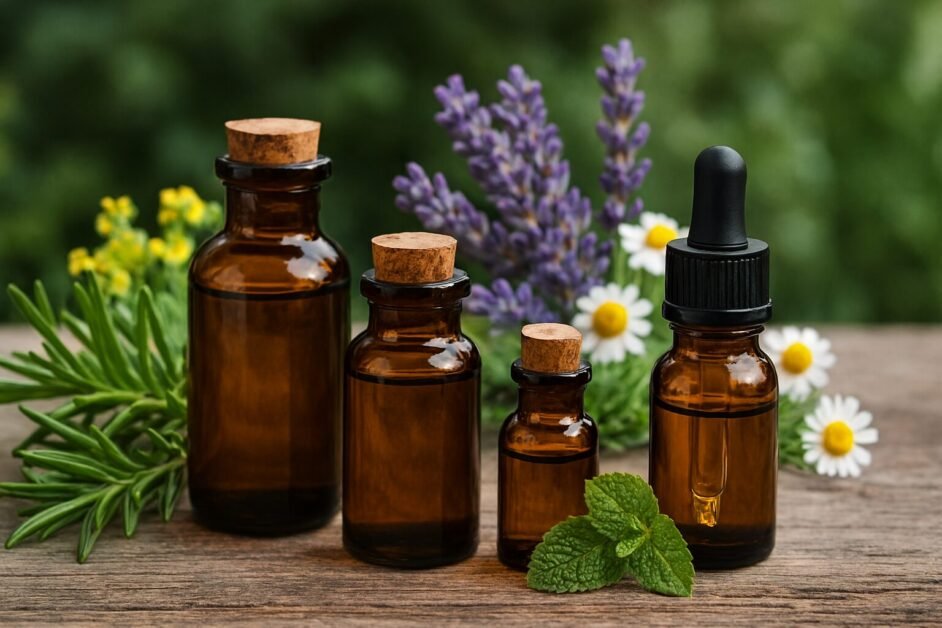
Selecting the right essential oils requires a deep dive into their specific therapeutic profiles, safety risks, and clinical standing. Below are the seven best essential oils for scalp psoriasis and what you need to know about their efficacy and medical precautions.
Tea Tree Oil (Melaleuca alternifolia)
Tea tree oil is a powerhouse in dermatology due to its high concentration of terpinen-4-ol. It acts as a potent antimicrobial and anti-inflammatory agent.
The Details: It helps prevent secondary fungal or bacterial infections that occur when the scalp’s barrier is broken by scratching.
Medical Perspective: Dermatologists often acknowledge its benefits but warn that it is a common allergen. The National Psoriasis Foundation notes that tea tree oil may help some, but its strength can trigger “contact dermatitis” if used too frequently.
Side Effects: Redness, stinging, and extreme dryness. It should never be swallowed as it is toxic if ingested.
Lavender Oil (Lavandula angustifolia)
Known primarily for its soothing aroma, lavender is scientifically recognized for its wound-healing properties.
The Details: Research published via PubMed indicates that lavender can suppress the inflammatory cytokines that lead to psoriasis-like skin thickening.
Medical Perspective: Doctors generally consider lavender one of the safest oils, often recommending it to reduce the stress that triggers flares. However, endocrinology experts suggest caution regarding long-term use in pre-pubescent children due to its potential as an endocrine disruptor.
Side Effects: Skin irritation or allergic reactions in those with sensitive skin.
Peppermint Oil (Mentha piperita)
Peppermint provides an immediate physical response to the most frustrating symptom of scalp psoriasis: the itch.
- The Details: The menthol in peppermint oil creates a cooling sensation that competes with the itch signal sent to the brain. According to Medical News Today, it also promotes vasodilation, which improves blood flow to the affected area.
Medical Perspective: While effective for temporary relief, many doctors warn against applying it to broken skin or near the eyes, as it can cause severe burning.
Side Effects: Heartburn (if inhaled deeply or used near the face), skin rashes, and irritation.
Rosemary Oil (Rosmarinus officinalis)
Rosemary is increasingly popular for scalp health, particularly for those worried about the hair thinning that often accompanies psoriasis.
The Details: It contains carnosic acid, which helps repair damaged skin tissue. By improving microcirculation, it encourages a healthy environment for hair follicles.
Medical Perspective: Some studies suggest rosemary oil is as effective as minoxidil (Rogaine) for hair growth, making it a favorite for “recovery” stages of psoriasis.
Side Effects: High concentrations may cause photosensitivity or scalp sensitivity. It is often advised that people with high blood pressure or epilepsy avoid high doses of rosemary.
Bergamot Oil (Citrus bergamia)
Bergamot is unique because of its “keratolytic” potential—it helps the body shed the thick, silvery scales characteristic of psoriasis.
The Details: It helps soften the plaques, making them easier to remove without causing bleeding. Verywell Health highlights its role in supporting the skin’s moisture barrier.
Medical Perspective: Doctors emphasize that Bergamot is highly phototoxic. If you apply it and then expose your scalp to the sun, it can cause severe blistering and permanent pigmentation changes.
Side Effects: Severe sunburn, skin blistering, and irritation.
Geranium Oil (Pelargonium graveolens)
Geranium oil is a favorite for those with “dry” psoriasis because of its ability to balance natural oils.
The Details: It acts as a natural humectant, drawing moisture into the skin. This prevents the painful cracking that occurs when psoriasis patches become too brittle.
Medical Perspective: Integrative medicine practitioners often use geranium to improve skin elasticity. However, because it can influence hormone levels, some doctors suggest avoiding it during pregnancy.
Side Effects: Generally safe, but can cause a rash in people with hypersensitive skin.
Chamomile Oil (Matricaria chamomilla)
Whether Roman or German, chamomile is the most recommended oil for those with extreme sensitivity.
The Details: It is rich in bisabolol and chamazulene, compounds that soothe redness. A study in Pharmaceutics suggests that chamomile extracts can be as effective as low-dose steroid creams in reducing inflammation.
Medical Perspective: Pediatricians and dermatologists often prefer chamomile for its high safety profile, though they warn those with ragweed allergies to be cautious, as the plants are related.
Side Effects: Allergic reactions (especially for those allergic to daisies or ragweed).
How to Use Essential Oils Safely: The Rules of Dilution
When working with the best essential oils for scalp psoriasis, the most critical rule is that these concentrated plant extracts should almost never be applied “neat” (undiluted) to the skin. Because the scalp of a psoriasis sufferer is already inflamed and the skin barrier is often compromised, improper application can lead to chemical burns or systemic sensitization.
To enjoy the benefits without the risks, follow these safety protocols supported by aromatherapy and dermatological standards.
The Necessity of Carrier Oils
Essential oils are volatile and evaporate quickly; carrier oils “carry” them into the skin and provide an extra layer of moisture. For scalp psoriasis, choosing the right carrier is half the battle.
Jojoba Oil: Technically a liquid wax, it mimics the scalp’s natural sebum, making it highly compatible and non-greasy.
Fractionated Coconut Oil (MCT): Stays liquid at room temperature and has its own antimicrobial properties, which Medical News Today notes can help hydrate extremely dry skin.
Argan Oil: Rich in Vitamin E and fatty acids, it is excellent for softening thick psoriasis scales.
The Golden Ratio: Proper Dilution
For topical application on a sensitive area like the scalp, experts generally recommend a 1% to 2% dilution. This ensures you receive the therapeutic benefits while minimizing the risk of a reaction.
1% Dilution: 6 drops of essential oil per 1 ounce (30ml) of carrier oil.
2% Dilution: 12 drops of essential oil per 1 ounce (30ml) of carrier oil.
According to safety guidelines from the Tisserand Institute, starting with a lower concentration is always the safest approach when dealing with chronic inflammatory conditions.
The Essential Patch Test
Before applying a new blend to your entire scalp, you must perform a patch test. This is non-negotiable for those with autoimmune-related skin conditions.
Apply a small amount of your diluted blend to the inside of your elbow or behind the ear.
Wait 24 to 48 hours.
If you experience any redness, burning, or increased itching, wash the area immediately with mild soap and do not use that specific oil on your scalp.
4. General Safety Warnings
Avoid the Eyes: Essential oils can cause severe irritation if they run into your eyes during a shower. Always tilt your head back when rinsing.
Sun Sensitivity: As mentioned in the previous section, if you use citrus oils like Bergamot, stay out of direct sunlight for at least 12 hours.
Pregnancy and Nursing: Always consult your healthcare provider, as certain oils can affect hormone levels or cross the placental barrier.
Application Methods for Maximum Relief
Finding the best essential oils for scalp psoriasis is only the first step; how you apply them determines how effectively they penetrate those thick, silvery scales. Because scalp skin is thicker than the skin on the rest of your body, these specialized application techniques ensure the therapeutic compounds reach the inflamed layers of the dermis.
The Pre-Wash Scalp Mask (Deep Treatment)
This is the most effective method for lifting scales and delivering deep hydration. By allowing the oils to sit on the scalp, you give the keratolytic properties (like those in Bergamot or Tea Tree) time to soften the plaques.
How to do it: Part your hair into sections and apply your diluted oil blend directly to the scalp using a dropper or your fingertips.
Duration: Massage gently for 5 minutes and let it sit for at least 20 to 30 minutes.
Pro Tip: According to WebMD, applying a warm (not hot) towel over your head can help open the pores and increase absorption.
The Overnight “Soak”
For severe cases with heavy scaling, an overnight treatment provides maximum contact time. This is particularly useful when using Lavender or Geranium oil to repair the skin barrier.
How to do it: Apply your oil blend as you would for a mask, but cover your head with a silk or plastic shower cap to protect your bedding.
The Benefit: Long-term exposure helps “loosen” the scales so they can be gently washed away in the morning without force, reducing the risk of bleeding.
Safety Note: As highlighted by the American Academy of Dermatology (AAD), you should avoid using heavy oils overnight if you have active pustular psoriasis, as trapping heat may worsen the condition.
The Shampoo “Boost”
If you are short on time, you can integrate essential oils into your daily cleansing routine. This is the best method for using Peppermint oil to manage daytime itching.
How to do it: Instead of adding oil to the entire bottle (which can break down the preservatives in the shampoo), add 1–2 drops of your chosen essential oil to a single palm-sized amount of fragrance-free, natural shampoo.
Technique: Massage into the scalp and let it sit for 3 to 5 minutes before rinsing thoroughly with lukewarm water.
The Targeted Itch Spray
For relief on the go, a water-based spray can provide a quick cooling sensation without making your hair look greasy.
The Recipe: Mix 5 drops of Peppermint or Chamomile oil with 2 tablespoons of witch hazel (which acts as an emulsifier) and 4 ounces of distilled water in a spray bottle.
Usage: Spritz directly onto itchy patches throughout the day. Shake well before each use, as oil and water naturally separate.
How to Effectively Wash Essential Oils Out of Your Hair
One of the biggest challenges when using the best essential oils for scalp psoriasis is successfully removing the heavy carrier oils afterwards. If not washed out properly, you may be left with greasy hair or, worse, a residue that traps heat and further irritates the scalp.
Because oil and water do not mix, simply hopping under the shower often isn’t enough. Here is the professional method for removing oil treatments without stripping your scalp of its newly found moisture.
The “Dry Shampoo” Method (The Best Hack)
The most effective way to break down a heavy oil treatment is to apply shampoo before you get your hair wet.
The Process: Pour a generous amount of a mild, sulfate-free shampoo into your palms and massage it directly into the oiled sections of your dry (or very slightly damp) hair.
The Science: The surfactant molecules in the shampoo can latch onto the oil more effectively when they aren’t diluted by a stream of water first.
Rinse: Once the shampoo is worked in, gradually add small amounts of water to create a lather, then rinse thoroughly.
Choose the Right Shampoo
When treating scalp psoriasis, your choice of cleanser is just as important as your choice of oil.
Avoid Sulfates: Traditional shampoos with Sodium Lauryl Sulfate (SLS) can be too harsh, causing the “rebound effect” where the scalp overproduces oil or becomes even more inflamed.
Look for Salicylic Acid: If you have thick scales, a shampoo containing salicylic acid can work in tandem with your oils. As noted by The Mayo Clinic, salicylic acid helps dissolve the “glue” between skin cells, making scale removal easier during your rinse.
The Double-Wash Technique
If you used a particularly thick carrier oil like Castor or Argan oil, you will likely need a double wash.
Perform the initial “dry” wash mentioned above.
Rinse with lukewarm water. Avoid hot water, as high temperatures can strip the skin barrier and trigger an immediate psoriasis flare.
Apply a second, lighter round of shampoo to ensure all residue is gone.
Apple Cider Vinegar (ACV) Rinse
If your hair still feels “filmy” after washing, an ACV rinse can restore the scalp’s natural pH and add shine to the hair shaft.
The Ratio: Mix 1 part ACV with 4 parts water.
The Benefit: ACV has natural antiseptic properties that can further help with the itch of scalp psoriasis. Pour it over your scalp after shampooing, let it sit for a minute, and rinse with cool water.
Conclusion
Finding the best essential oils for scalp psoriasis is more than just a search for a quick fix; it is about adopting a supportive, long-term routine for your skin. While these natural extracts offer powerful anti-inflammatory and soothing benefits, they work best when integrated into a broader holistic lifestyle. Managing stress, maintaining a balanced diet, and using gentle topical treatments are all key pillars of effective psoriasis management.
Remember that everyone’s skin is unique. What works as a miracle for one person may cause irritation for another. Be patient with your progress, always prioritize the safety of dilution, and listen to your body’s signals. By combining the therapeutic power of plants with modern dermatological safety standards, you can find a natural rhythm that keeps your scalp calm, comfortable, and healthy.
Frequently Asked Questions (FAQ)
Q. Can I apply essential oils to open sores or bleeding plaques?
A. No. You should never apply essential oils to skin that is cracked, bleeding, or has open sores. Essential oils are highly concentrated and can cause intense pain or even enter the bloodstream directly through broken skin, potentially causing a systemic reaction. Wait for the skin to close before resuming your oil treatments.
Q. How often should I use essential oil treatments on my scalp?
A. For most people, a deep treatment (like the pre-wash mask) is effective when done 2 to 3 times per week. Over-treating can lead to "sensitization," where your skin becomes permanently allergic to the oil. If you notice increased redness or a new type of rash, reduce your frequency or stop use entirely.
Q. Is it safe to use these oils on children with scalp psoriasis?
A. Extra caution is required for children. Their skin is thinner and more absorbent than adult skin. According to The Tisserand Institute, you should use a much lower dilution (0.5% or less) and avoid certain oils like Peppermint or Rosemary in very young children. Always consult a pediatrician before starting any essential oil regimen for a child.
Q. Can I use essential oils if I am already using a prescription steroid foam?
A. In many cases, essential oils can be a great "complementary" therapy, but they should not be mixed directly with prescription medications. Research on ScienceDirect suggests that some oils can increase skin permeability, which might cause your prescription to absorb more quickly than intended. Speak with your dermatologist to coordinate a schedule—for example, using oils in the morning and your prescription at night.
Q. Which essential oil is the absolute best for thick, silvery scales?
A. While all seven oils listed have benefits, Bergamot and Tea Tree are often cited as the most effective for "de-scaling." Their ability to soften the skin's outer layer makes them ideal for lifting those stubborn, silvery plaques. Pair them with a carrier oil like Argan oil for the best keratolytic results.