Understanding Alternative Medicine’s Role in Modern Healthcare
What is alternative medicine’s role in modern healthcare? Alternative medicine refers to a broad range of healthcare practices, therapies, and treatments that fall outside the realm of conventional Western medicine. Unlike conventional medicine, which often relies on pharmaceuticals, surgery, and evidence-based protocols, alternative medicine emphasizes holistic approaches, natural remedies, and individualized care. It seeks to address not only physical symptoms but also emotional, mental, and spiritual well-being.
There are various types of alternative medicine, each with unique methodologies and philosophies. Acupuncture, a cornerstone of Traditional Chinese Medicine (TCM), uses thin needles inserted into specific points on the body to restore balance and promote healing. Herbal remedies leverage the medicinal properties of plants, such as turmeric for inflammation or echinacea for immune support. Chiropractic care focuses on spinal alignment to improve musculoskeletal health, while homeopathy uses highly diluted substances to stimulate the body’s natural healing processes.
The historical roots of alternative medicine are deeply intertwined with cultural traditions. Practices like Ayurveda in India and TCM in China have been used for thousands of years, reflecting a rich heritage of healing wisdom. Indigenous cultures worldwide have relied on plant-based remedies and spiritual rituals to treat ailments and maintain health. These practices often emphasize the interconnectedness of the body, mind, and environment, offering a perspective that contrasts with the compartmentalized approach of modern medicine.
The Growing Popularity of Alternative Medicine
In recent years, alternative medicine has seen a surge in popularity, driven by several factors. One key reason is the growing interest in holistic wellness. Many people are seeking treatments that address the root causes of health issues rather than merely managing symptoms. Alternative medicine’s focus on prevention and overall well-being resonates with this mindset.
Personalized care is another appealing aspect. Unlike conventional medicine, which often applies standardized treatments, alternative therapies are tailored to the individual’s unique needs, preferences, and lifestyle. This personalized approach fosters a sense of empowerment and active participation in one’s health journey.
Dissatisfaction with conventional treatments also plays a role. Some patients turn to alternative medicine after experiencing side effects, limited efficacy, or impersonal care in traditional healthcare settings. For example, chronic pain sufferers may explore acupuncture or chiropractic care as alternatives to long-term reliance on painkillers.
Statistics underscore this trend. According to a report by the National Center for Complementary and Integrative Health (NCCIH), approximately 30% of adults in the United States use some form of complementary or alternative medicine. The global wellness industry, which includes alternative medicine, is projected to grow significantly in the coming years, reflecting increasing consumer demand.
Key Modalities of Alternative Medicine
Acupuncture and Traditional Chinese Medicine (TCM)
Acupuncture is a central practice within TCM, rooted in the belief that the body’s vital energy, or “qi,” flows through pathways called meridians. When this energy is blocked or imbalanced, it can lead to illness. Acupuncture involves inserting thin needles into specific points along these meridians to restore balance and promote healing.
This modality is widely used for pain management, including conditions like migraines, arthritis, and lower back pain. It is also effective for stress relief, anxiety, and insomnia. Studies have shown that acupuncture can stimulate the release of endorphins, the body’s natural painkillers, and improve blood circulation, contributing to its therapeutic effects.
Herbal Medicine
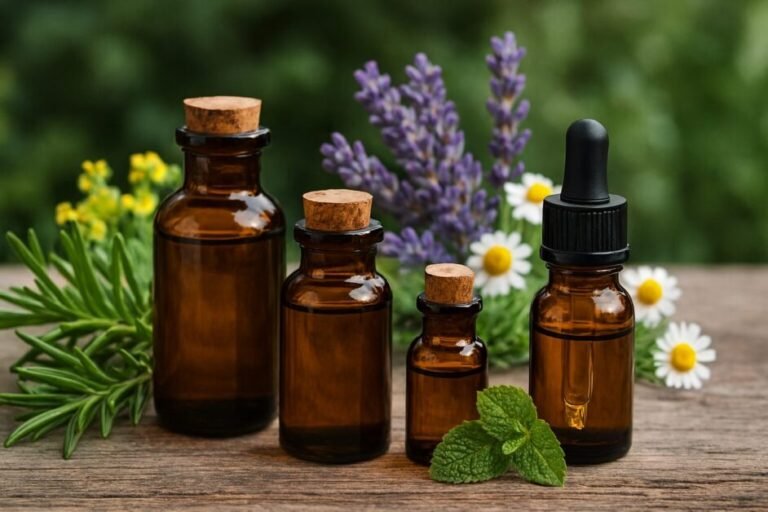
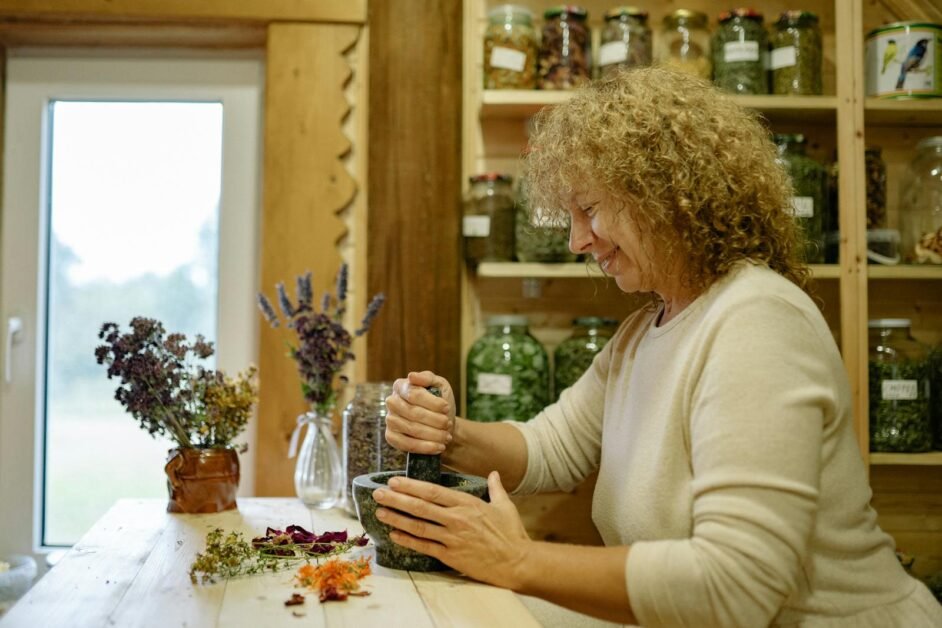
Herbal medicine harnesses the healing power of plants and natural substances. This practice spans cultures and centuries, with remedies tailored to address various health concerns. For instance, turmeric is renowned for its anti-inflammatory properties, making it a popular choice for arthritis and digestive issues. Echinacea is often used to boost the immune system, while ginseng is valued for its energy-enhancing and stress-reducing effects.
Herbal medicine appeals to those seeking natural alternatives to pharmaceuticals. However, it’s essential to approach this modality with caution, as some herbs can interact with medications or cause side effects. Consulting a qualified herbalist or healthcare provider ensures safe and effective use.
Chiropractic Care
Chiropractic care focuses on the relationship between the spine and overall health. Chiropractors use manual adjustments to correct misalignments, or subluxations, in the spine. These adjustments aim to improve nervous system function, alleviate pain, and enhance mobility.
This modality is particularly effective for musculoskeletal issues, such as back pain, neck pain, and joint discomfort. Beyond physical benefits, chiropractic care can contribute to overall well-being by reducing stress and improving posture. Many patients report feeling more energized and balanced after treatment.
Mind-Body Practices
Mind-body practices like yoga, meditation, and tai chi emphasize the connection between mental and physical health. Yoga combines physical postures, breathing exercises, and meditation to improve flexibility, strength, and relaxation. Meditation helps calm the mind, reduce stress, and enhance focus, while tai chi promotes balance, coordination, and inner peace through slow, deliberate movements.
These practices are widely recognized for their mental health benefits, including stress reduction, improved mood, and enhanced resilience. They also support physical fitness, making them versatile tools for holistic wellness.
The Integration of Alternative Medicine in Modern Healthcare
The integration of alternative medicine into mainstream healthcare is gaining momentum. Many hospitals and clinics now offer integrative medicine programs that combine conventional treatments with alternative therapies. For example, cancer centers may provide acupuncture to alleviate chemotherapy side effects or yoga classes to support emotional well-being.
Healthcare professionals play a crucial role in bridging the gap between conventional and alternative approaches. Physicians, nurses, and therapists trained in integrative medicine can guide patients in choosing safe and effective therapies. Collaboration between practitioners ensures comprehensive care that addresses all aspects of health.
Benefits and Limitations of Alternative Medicine
Benefits
Alternative medicine offers several advantages, including its holistic approach to health. By addressing physical, emotional, and spiritual well-being, it promotes a balanced and harmonious state. Prevention is another key focus, with therapies designed to maintain health and prevent illness rather than react to symptoms.
Personalized care is a hallmark of alternative medicine, allowing treatments to be tailored to individual needs. Additionally, some modalities reduce reliance on pharmaceuticals, offering natural solutions for managing conditions like pain, anxiety, and insomnia.
Limitations
Despite its benefits, alternative medicine has limitations. Some practices lack robust scientific evidence, making it difficult to assess their efficacy. Risks such as interactions with conventional treatments or unregulated products also exist. For example, herbal supplements may interfere with prescription medications, leading to adverse effects.
Consulting healthcare professionals is essential before starting alternative therapies. They can provide guidance, ensure safety, and help integrate these practices into a broader healthcare plan.
Regulation and Standardization of Alternative Medicine
Regulating alternative medicine poses significant challenges due to its diverse practices and products. Ensuring safety, efficacy, and quality control requires rigorous standards and oversight. Organizations like the NCCIH and the World Health Organization (WHO) are working to promote ethical practices and research.
Certifications and licensing for practitioners help establish credibility and protect consumers. For example, licensed acupuncturists and certified herbalists undergo extensive training to ensure competence. These measures contribute to the growing acceptance of alternative medicine in healthcare.
How to Choose the Right Alternative Medicine Approach
Choosing the right alternative medicine approach requires careful evaluation. Start by researching therapies and practitioners to ensure credibility and expertise. Look for certifications, reviews, and recommendations from trusted sources.
Consulting healthcare professionals is crucial, especially if you’re managing chronic conditions or taking medications. They can help identify safe and effective options tailored to your needs. Be wary of red flags, such as unproven claims, lack of credentials, or pressure to purchase expensive products.
Understanding your health goals and preferences is key. Whether you’re seeking stress relief, pain management, or overall wellness, aligning your choice with your needs ensures a positive experience.
The Future of Alternative Medicine in Healthcare
The future of alternative medicine is promising, with advancements in research, technology, and integration driving its evolution. Increased funding for studies will provide more evidence to support its efficacy, while digital tools like apps and wearable devices will enhance accessibility and personalization.
Collaboration between conventional and alternative medicine will continue to grow, fostering comprehensive care that addresses all aspects of health. As patients demand holistic and individualized approaches, alternative medicine will play an increasingly vital role in shaping the healthcare landscape.