Nature’s Antihistamine: How Stinging Nettle Tea Can Ease Your Allergy Symptoms
For many, the first sign of spring isn’t a blooming flower but a sneezing fit, yet sipping on a warm cup of nettle tea might be the key to reclaiming your season. While over-the-counter medications are the standard go-to, they often come with unwanted side effects like drowsiness or brain fog, leading many sufferers to look toward nature for relief.
Enter Stinging Nettle (Urtica dioica). It might seem ironic to turn to a plant known for its painful sting to soothe your symptoms, but once dried and steeped, this “weed” transforms into a powerhouse remedy. Research indicates that nettle may help reduce the symptoms of hay fever by acting on key receptors and enzymes associated with allergic rhinitis. According to research published in Phytotherapy Research, nettle extract can inhibit the inflammatory events that cause seasonal allergy symptoms, effectively acting as a natural mechanism to calm the body’s response to pollen.
What Makes Nettle Tea an Antihistamine? (The Science)
To understand how nettle works, we first have to understand what happens during an allergic reaction. When your body encounters an allergen—like pollen, dust, or pet dander—your immune system identifies it as a threat. In response, it triggers mast cells to release a chemical called histamine. This chemical binds to receptors in your nose and throat, causing the familiar itching, sneezing, and swelling.
Stinging nettle essentially acts as a “lock” on these receptors. It is rich in bioactive compounds that can naturally block histamine from attaching to your cells. But its benefits go deeper than just blocking the itch.
According to research, nettle extract works on a cellular level to inhibit several key inflammatory events. A study highlighted by the Mount Sinai Health System notes that nettle can inhibit the body’s production of prostaglandins—lipid compounds that cause inflammation and pain. Furthermore, nettle has been shown to inhibit tryptase, an enzyme released alongside histamine that aggravates your immune response.
By tackling both the histamine release and the inflammation that follows, nettle offers a dual-action approach: it calms the immediate reaction and reduces the swollen nasal passages that make breathing difficult.
Nettle Tea vs. OTC Medication
When allergy season hits, the pharmacy aisle becomes a popular destination. While over-the-counter (OTC) antihistamines are effective at stopping symptoms quickly, they often come with a price.
Common side effects of first-generation antihistamines (like diphenhydramine) include significant drowsiness, dry mouth, and blurred vision. Even newer, “non-drowsy” options can still cause fatigue or “brain fog” in sensitive individuals. According to the Mayo Clinic, antihistamines often carry side effects like dizziness and decreased alertness, which can make getting through a workday difficult.
The “Whole Body” Approach
Stinging nettle offers a radically different approach. Instead of suppressing your immune system while depleting your energy, nettle actually feeds your body. It acts as a nutrient-dense tonic, often described by herbalists as a “multivitamin in a cup.”
While it works to balance your histamine response, it simultaneously provides a rich supply of:
Vitamins: High levels of Vitamins A, C, and K.
Minerals: A powerhouse of Calcium, Iron, Magnesium, and Potassium.
This nutritional profile helps support energy levels rather than draining them. As noted by Healthline in their review of the plant’s benefits, stinging nettle provides essential amino acids and polyphenols that act as antioxidants, helping to defend your cells against damage while you treat your allergies.
In short: OTC pills manage the symptom, but nettle nourishes the host.
Strategy: Timing is Everything
If you wait until your eyes are already watering to brew your first cup of nettle tea, you might be too late to get the full benefit. Unlike synthetic antihistamines which are designed to suppress symptoms within an hour, herbal tonics like stinging nettle work best when used preventatively to build up your body’s defenses.
The “Loading Phase”
To get the maximum antihistamine effect, most herbalists recommend starting a nettle regimen 4 to 6 weeks before allergy season begins. This allows the anti-inflammatory compounds to accumulate in your system, effectively stabilizing mast cells before they are bombarded by pollen.
If you aren’t sure when your specific allergy season starts, the American College of Allergy, Asthma & Immunology provides helpful resources to track pollen counts and seasonal triggers in your area. Using this data, you can mark your calendar and start your “nettle loading phase” well in advance of the first bloom.
Maintenance and Consistency
Once the season is underway, consistency is key. Nettle flushes out of the body relatively quickly, so sporadic sipping won’t provide 24-hour coverage.
Pre-Season: Drink 1 cup daily to prime the system.
Peak Season: Increase to 2–3 cups daily, or consider carrying a thermos of nettle infusion with you to sip throughout the day.
By treating the tea as a daily nutritional supplement rather than a reactive “fix-it” drug, you create a baseline of anti-inflammatory support that makes the high-pollen days much more manageable.
How to Prepare the Perfect Allergy-Fighting Cup of Nettle Tea
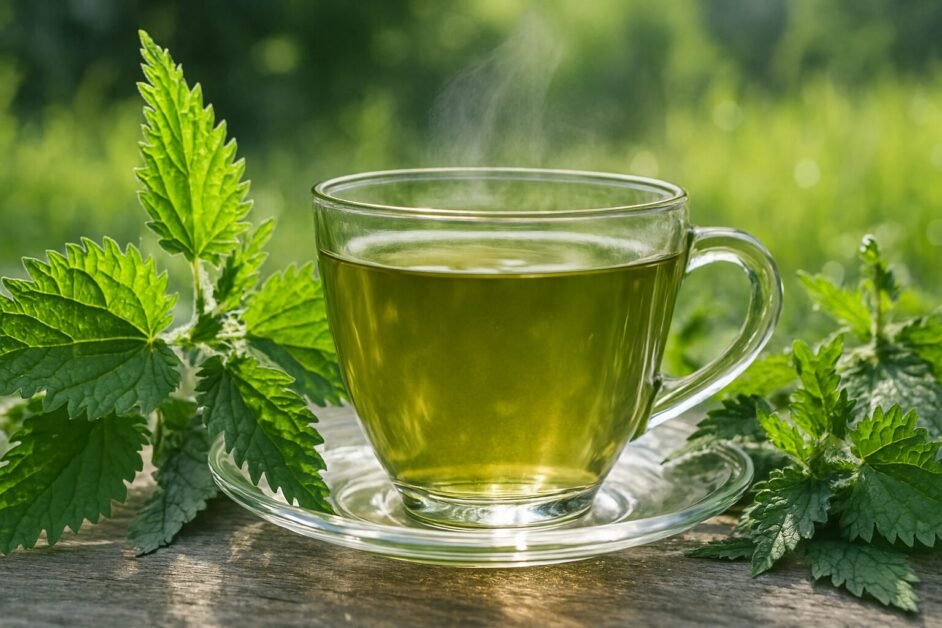
While you can purchase nettle tea bags at most health food stores, brewing loose leaf tea is often more potent and cost-effective. The stinging hairs that give the plant its name are completely neutralized during the drying or heating process, making the tea perfectly safe to handle and drink.
The Standard Steep
To extract the maximum amount of minerals and antihistamine compounds, patience is required.
Measure: Use 1 tablespoon of dried nettle leaves for every 8 ounces of water.
Heat: Pour boiling water over the leaves.
Cover: This is the most critical step. Covering your mug or teapot prevents the volatile oils—where many medicinal benefits live—from evaporating with the steam.
Wait: Let it steep for 15 to 20 minutes. The longer steep time allows the water to pull out the dense minerals that a quick 2-minute dip would miss.
Recipe: The “Allergy Bomb” Blend
Nettle has a deeply earthy, grassy flavor similar to spinach broth. To improve the taste and supercharge the allergy-fighting potential, try this synergistic blend:
1 tbsp Dried Nettle Leaf: The antihistamine base.
1 tsp Dried Peppermint: The menthol in peppermint acts as a natural decongestant to help open up nasal passageways. According to the National Center for Complementary and Integrative Health (NCCIH), peppermint oil has a long history of use for respiratory issues and digestive health.
1 slice Fresh Ginger: Ginger adds a spicy kick and powerful anti-inflammatory properties. Johns Hopkins Medicine notes that ginger facilitates digestion and reduces inflammation, which can help settle the stomach upset that sometimes accompanies post-nasal drip.
Local Honey (to taste): Add this only after the tea has cooled to a drinkable temperature to preserve its enzymes. While the science is mixed on whether local honey “cures” allergies, it effectively coats and soothes a scratchy throat.
Important Safety Precautions
While stinging nettle is generally considered safe for most adults, “natural” does not always mean “free of side effects.” Because nettle is a potent medicinal plant with active chemical compounds, it is vital to approach it with the same respect you would accord any medication.
Medication Interactions
The most significant precaution concerns those on blood-thinning medication. Nettle leaves are incredibly high in Vitamin K, the nutrient that helps blood clot. If you are taking anticoagulants like Warfarin (Coumadin), sudden increases in Vitamin K consumption can make the medication less effective. The Memorial Sloan Kettering Cancer Center explicitly warns that nettle may interfere with these drugs and suggests clinical caution for patients on anticoagulants.
Additionally, because nettle acts as a natural diuretic (helping the body shed excess sodium and water), combining it with prescription diuretics or blood pressure medication can cause dehydration or unsafe drops in blood pressure. The University of Rochester Medical Center notes that nettle can change the effects of medicines that affect blood pressure, making it essential to consult a doctor before mixing the two.
Pregnancy Concerns
If you are pregnant, it is best to avoid nettle tea or strictly follow the advice of your obstetrician. Historically, nettle has been used to stimulate the uterus, which poses a risk of triggering contractions. Healthline advises against using nettle during pregnancy due to its potential to stimulate uterine contractions and alter the menstrual cycle.
Hydration
Finally, remember that nettle is a diuretic. If you are drinking several cups a day to combat allergies, you will be urinating more frequently. Be sure to drink plenty of plain water alongside your tea to keep your electrolytes balanced and your body hydrated.
Conclusion
Nettle tea is more than just a folk remedy; it is a scientifically supported, nutrient-dense tonic that offers a viable alternative to the “medicine head” of conventional antihistamines. By switching from reactive symptom management to proactive immune support, you can help your body handle pollen with resilience rather than resistance.
This spring, don’t just survive allergy season—thrive through it. Whether you brew a quick morning cup or commit to a deep-steeped overnight infusion, you are participating in a tradition of healing that spans centuries.
Frequently Asked Questions (FAQ)
Q: Does nettle tea contain caffeine?
A: No, stinging nettle is naturally caffeine-free. It provides an energy boost not through stimulation, but through nourishment—specifically its high iron and mineral content. This makes it a safe choice for those trying to reduce caffeine intake or for evening consumption, as noted by Healthline's overview of the plant's nutritional profile.
Q: Can I just eat the fresh leaves from my garden?
A: You can, but only if you cook them first. The "sting" comes from formic acid in the tiny hairs on the leaves. Cooking, drying, or crushing the leaves neutralizes this acid completely. Once cooked, nettle can be used exactly like spinach in soups, pesto, or lasagna.
Q: How fast does it work?
A: Unlike an OTC pill that works in 30 minutes, nettle is cumulative. While some people feel mild relief immediately due to the anti-inflammatory action, most herbalists recommend drinking it daily for at least 30 days to see significant changes in your allergy response.
Q: Is nettle tea safe for children?
A: While nettle is a food-grade herb often consumed in soups, medical sources advise caution with medicinal doses for children. Because there are no official safety guidelines for children, it is best to consult a pediatrician before introducing concentrated herbal teas or supplements to their diet.
Q: Can I drink nettle tea every day?
A: Generally, yes. For most people, nettle is safe to consume daily as a tonic. However, because it is a diuretic, it is wise to cycle off it occasionally (e.g., drink it for 3 weeks, then take 1 week off) to give your kidneys a rest and ensure your body maintains its own fluid balance.