The Science of Calm: A Holistic Guide to Natural Stress Relief
Stress is an inevitable part of modern life, stemming from a variety of sources. If you are looking for ways to get natural stress relief, keey reading as we will discuss the science of calm. Work-related pressures, such as tight deadlines, long hours, and job insecurity, are among the most common stressors. Personal relationships can also contribute, with conflicts, misunderstandings, or the emotional toll of caregiving often leading to heightened stress levels. Health concerns, whether chronic illnesses or sudden medical emergencies, add another layer of strain. Financial worries, societal expectations, and even the constant barrage of information from digital devices can exacerbate feelings of overwhelm.
When stress becomes chronic, it doesn’t just affect your mood—it can wreak havoc on your physical health. Prolonged stress triggers the release of cortisol, the body’s primary stress hormone. Elevated cortisol levels over time can lead to issues such as high blood pressure, weakened immunity, and disrupted sleep patterns. Emotionally, stress can manifest as anxiety, irritability, or even depression. Understanding these causes is the first step toward managing stress and achieving emotional balance with natural stress relief.
The Science Behind Natural Stress Relief
Natural remedies for stress relief work by addressing the body’s physiological and psychological responses to stress. At the core of stress management is the nervous system, which consists of the sympathetic (fight-or-flight) and parasympathetic (rest-and-digest) systems. Chronic stress keeps the sympathetic system activated, leading to a constant state of alertness. Natural remedies help shift the body back into a parasympathetic state, promoting relaxation and recovery.
Hormones also play a significant role in stress management. Cortisol, often referred to as the “stress hormone,” is essential for short-term survival but harmful when consistently elevated. Natural remedies like adaptogens and mindfulness practices can help regulate cortisol levels. Additionally, brain chemistry is influenced by stress, with neurotransmitters like serotonin and dopamine often becoming imbalanced. Techniques such as meditation and certain dietary choices can help restore these chemical levels, improving mood and emotional stability.
Herbal Remedies for Natural Stress Relief
Chamomile: Benefits for Relaxation and Sleep
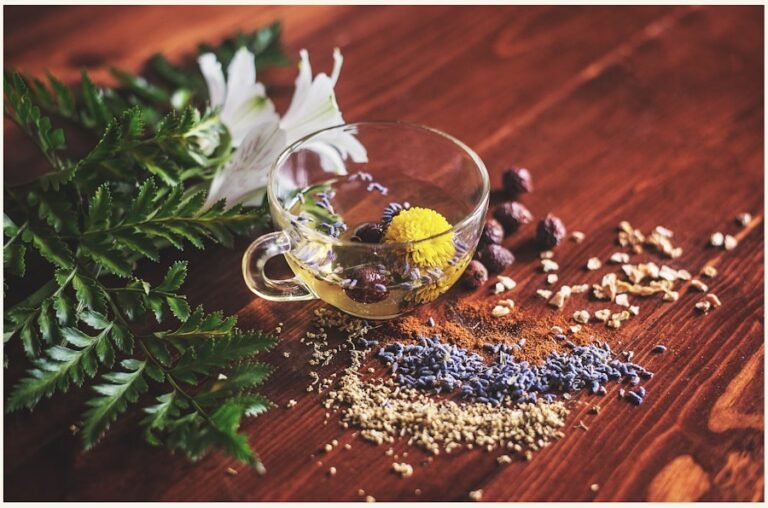
Chamomile is one of the most well-known herbal remedies for stress relief. Its calming properties come from compounds like apigenin, which binds to receptors in the brain to promote relaxation and reduce anxiety. Chamomile tea is a popular bedtime ritual, helping to improve sleep quality and combat insomnia. Studies have shown that regular consumption of chamomile can significantly reduce symptoms of generalized anxiety disorder.
Ashwagandha: Adaptogenic Properties for Reducing Cortisol Levels
Ashwagandha, an adaptogenic herb, has been used in Ayurvedic medicine for centuries. Adaptogens help the body adapt to stress by regulating cortisol production. Research has demonstrated that ashwagandha can lower cortisol levels by up to 30%, making it a powerful ally in stress management. It also supports overall energy levels and mental clarity, making it ideal for those experiencing burnout.
Lavender: Aromatherapy and Its Calming Effects
Lavender is widely recognized for its soothing aroma, which has been shown to reduce stress and anxiety. Whether used in essential oil form, as a tea, or in bath products, lavender promotes relaxation by calming the nervous system. Studies have found that inhaling lavender essential oil can lower heart rate and blood pressure, physical markers of stress.
Valerian Root: Natural Support for Anxiety and Insomnia
Valerian root is another herbal remedy known for its sedative effects. It works by increasing the availability of gamma-aminobutyric acid (GABA) in the brain, a neurotransmitter that promotes relaxation. Valerian is particularly effective for those struggling with anxiety or insomnia, as it helps calm the mind and improve sleep quality without the grogginess associated with some medications.
Mindfulness and Meditation Techniques
Mindfulness Practices: How Focusing on the Present Moment Reduces Stress
Mindfulness involves paying attention to the present moment without judgment. This practice helps break the cycle of rumination, where negative thoughts spiral out of control. By focusing on the here and now, mindfulness reduces stress and fosters a sense of calm. Techniques like mindful breathing or body scans can be practiced anywhere, making them accessible tools for stress relief.
Meditation Styles: Guided Meditation, Transcendental Meditation, and Breathing Exercises
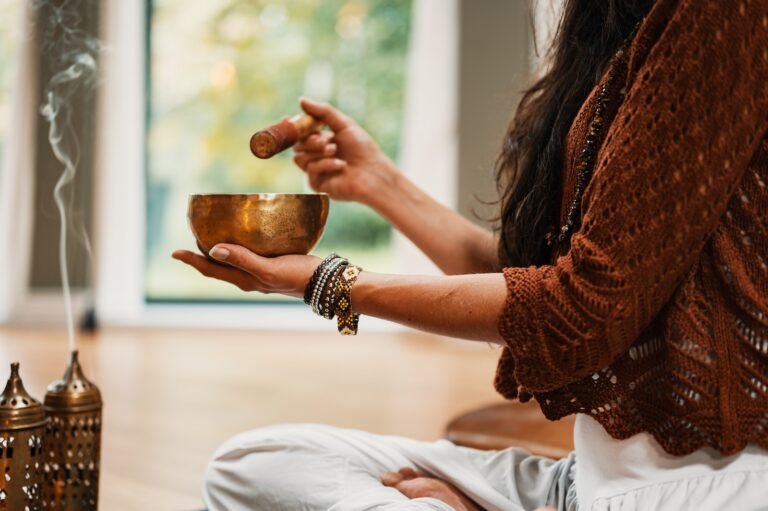
Meditation comes in many forms, each offering unique benefits. Guided meditation involves listening to a narrator who leads you through a calming visualization or relaxation exercise. Transcendental meditation focuses on silently repeating a mantra to achieve a deep state of relaxation. Breathing exercises, such as diaphragmatic breathing, help regulate the nervous system and reduce stress in minutes.
Benefits: Improved Emotional Balance and Mental Clarity
The benefits of mindfulness and meditation extend beyond stress relief. Regular practice improves emotional regulation, helping individuals respond to challenges with greater resilience. It also enhances mental clarity, making it easier to focus and make decisions under pressure. Over time, these practices can lead to lasting emotional balance and a more positive outlook on life.
Nutrition for Emotional Balance
Foods That Reduce Stress
Certain foods have been shown to combat stress by supporting brain health and hormone regulation. Omega-3 fatty acids, found in fatty fish like salmon, help reduce inflammation and improve mood. Magnesium-rich foods, such as spinach and almonds, can lower cortisol levels. Antioxidant-rich fruits like blueberries protect the brain from oxidative stress, which is linked to anxiety and depression.
Avoiding Stress-Inducing Foods
Just as some foods reduce stress, others can exacerbate it. Caffeine, while providing a temporary energy boost, can increase anxiety and disrupt sleep. Sugary and processed foods cause blood sugar spikes and crashes, leading to mood swings. Limiting these foods can help maintain emotional stability.
Hydration: Importance of Staying Hydrated for Mental Health
Dehydration can impair cognitive function and exacerbate feelings of stress. Drinking enough water throughout the day supports brain function and helps regulate mood. Herbal teas, such as chamomile or green tea, can also provide hydration while offering additional stress-relieving benefits.
Physical Activities to Combat Stress
Yoga: Combining Physical Movement with Mindfulness for Stress Relief
Yoga is a holistic practice that combines physical postures, breathing exercises, and mindfulness. It helps release tension stored in the body while calming the mind. Studies have shown that regular yoga practice can lower cortisol levels and improve overall well-being.
Tai Chi: Gentle Movements to Promote Relaxation and Emotional Balance
Tai Chi, often described as “meditation in motion,” involves slow, deliberate movements that promote relaxation and balance. This ancient Chinese practice is particularly effective for reducing stress and improving emotional stability, as it encourages a mind-body connection.
Exercise: How Regular Physical Activity Boosts Endorphins and Reduces Stress
Exercise is a natural stress reliever, thanks to its ability to boost endorphin levels—chemicals in the brain that promote feelings of happiness. Whether it’s a brisk walk, a dance class, or a gym session, physical activity helps reduce stress hormones and improve mood.
Aromatherapy and Essential Oils
Popular Essential Oils: Lavender, Bergamot, and Frankincense for Natural Stress Relief
Essential oils like lavender, bergamot, and frankincense are popular for their calming properties. Lavender is particularly effective for reducing anxiety, while bergamot uplifts the mood. Frankincense promotes a sense of grounding and emotional balance and is good for natural stress relief.
How to Use: Diffusers, Topical Application, and Baths
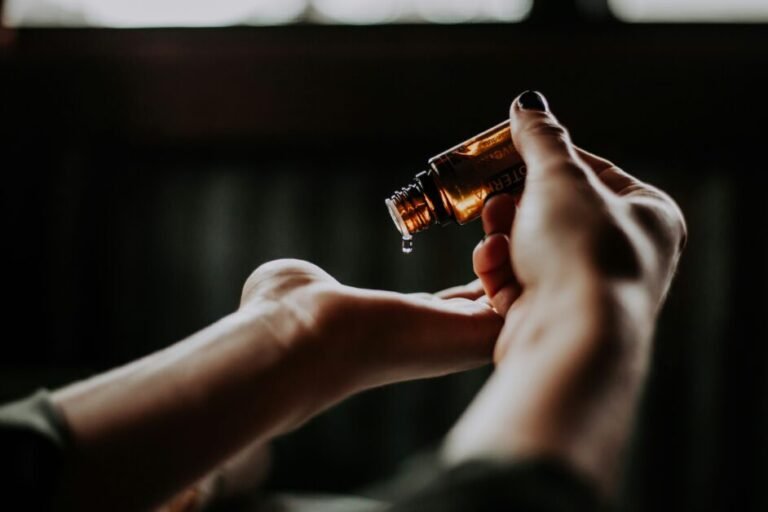
Essential oils can be used in various ways, from diffusing them in the air to applying them topically with a carrier oil. Adding a few drops to a warm bath can also create a spa-like experience, enhancing relaxation and providing natural stress relief.
Scientific Evidence: Studies Supporting the Effectiveness of Aromatherapy
Research supports the use of aromatherapy for stress relief. For example, a study published in the journal Frontiers in Psychology found that inhaling lavender essential oil significantly reduced stress levels in participants. These findings highlight the potential of aromatherapy as a complementary stress management tool.
Lifestyle Changes for Long-Term Stress Management
Sleep Hygiene: Importance of Quality Sleep for Emotional Balance
Quality sleep is essential for emotional well-being. Establishing a consistent bedtime routine, limiting screen time before bed, and creating a comfortable sleep environment can improve sleep quality and reduce stress.
Time Management: Prioritizing Tasks to Reduce Overwhelm
Effective time management helps prevent the feeling of being overwhelmed. Tools like to-do lists, calendars, and time-blocking can help you stay organized and focused, reducing stress.
Social Connections: Building Supportive Relationships to Combat Stress
Strong social connections are a buffer against stress. Spending time with loved ones, joining support groups, or simply talking to a friend can provide emotional support and improve resilience.
When to Seek Professional Help
While natural remedies are effective for many, there are times when professional help is necessary. If stress and emotional imbalance interfere with daily life, it may be time to consult a therapist or counselor. Signs include persistent anxiety, depression, or physical symptoms like chest pain. Therapy can complement natural remedies, providing additional tools and strategies for managing stress.
Conclusion
By combining natural remedies with healthy lifestyle choices, you can achieve lasting emotional balance. Whether it’s through herbal supplements, mindfulness practices, or physical activity, the key is to find what works best for you and make it a consistent part of your routine.